


What’s Really Happening In That Room — And What Comes Next
The Jack Hopkins Now Newsletter #861: Paid Subscriber Edition, Saturday, April 11, 2026
The free article told you what’s happening.
This expansion tells you what it means.
Because there are layers to Islamabad that the wire services aren’t assembling…connections…that only become visible…when you pull back far enough to see the full architecture…and…implications that will shape not just the next two weeks but the next two years.
Let’s go deep.
Signal
Two things happened today that most coverage is treating as separate stories.
They’re the same story.
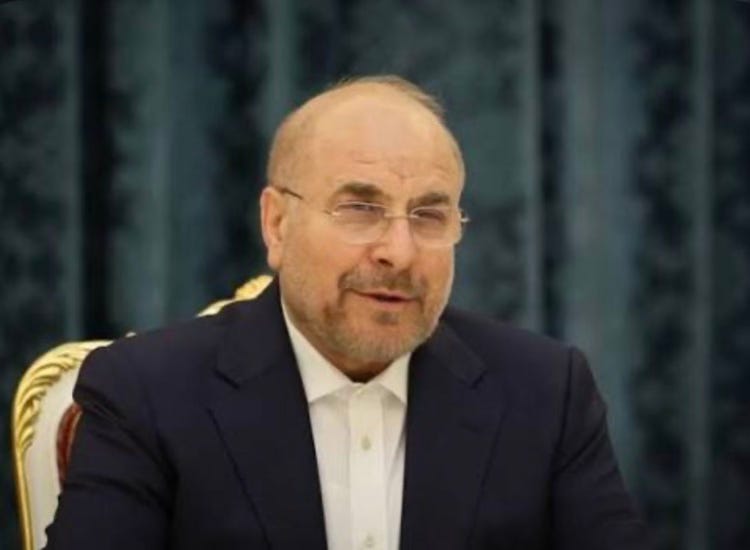
First…the talks went face-to-face. Not proximity talks through Pakistani intermediaries as originally planned. Direct. Vance across from Ghalibaf. The highest-level US-Iran contact since 1979.
That escalation from indirect to direct…in the first hours of the first session…is significant. It means both sides decided the gap was narrow enough to close in person.
That’s a meaningful data point. It doesn’t mean a deal is imminent. It means both sides believe one might be possible.
Second…simultaneously…three supertankers transited the Strait of Hormuz. Liberia-flagged. China-flagged. Moving crude oil through a waterway that has been functionally closed for six weeks.
Three tankers. In a strait that normally handles 21 million barrels of oil per day.
That’s not a reopening. That’s a signal. Iran is demonstrating it controls the valve…and it can turn it slightly…on its own timeline…as a negotiating gesture rather than a concession.
Watch whether that number increases during the talks…or…goes back to zero if they stall.
The Strait traffic is Iran’s real-time negotiating thermometer. More ships moving means more Iranian confidence in the process. Fewer ships means the hardliners are winning the internal argument.
Pattern
Here’s the pattern that connects today to everything that’s happened in the last six weeks.
Every breakthrough in this conflict…has been announced before it was real.
The ceasefire was announced before the terms were agreed. The Strait reopening was announced before ships actually moved. The framework for talks was announced before the preconditions were met.
Today…is no different.
The first phase concluded. Written texts are being exchanged. Sources are describing “progress on basic conditions.”
But…here’s what the pattern tells you:
The announcement of progress is part of the negotiating strategy…not evidence that progress has been made.
Iran uses public statements of progress to extract concessions.
If the US responds to “progress” by softening its position…Tehran has gotten something for nothing.
The pattern of announcing more than exists…then watching the other side respond to the announcement…is a documented Iranian negotiating tactic going back to the nuclear talks of the Obama era.
And there’s a deeper pattern worth naming.
This is the third time in less than a year…that the US and Iran have sat across from each other. Muscat in February 2026. Geneva in late February. Now Islamabad.
The first two ended with American attacks on Iran.
Ghalibaf said it on the tarmac:
“Twice within less than a year, in the middle of negotiations, despite the goodwill of the Iranian side, they attacked us.”
That’s not a grievance. That’s a negotiating constraint.
Iran cannot agree to anything in Islamabad that leaves it vulnerable to the pattern repeating a third time. Whatever framework emerges…if one emerges…must include verification mechanisms and guarantees that are structurally different from what failed twice before.
That requirement alone makes this negotiation vastly more complex than any public statement is acknowledging.
