Discussion about this post

User's avatar
HKJANE's avatar

Jack is correct that this moment is unprecedented in its form. It is not, however, unprecedented in its logic.

File the date of this refusal — whenever it is confirmed — alongside the dates when other officers in other republics faced the same choice. The historical record of democratic backsliding is full of such moments. What is notable is not that a general said no. What is notable is that a general had to.

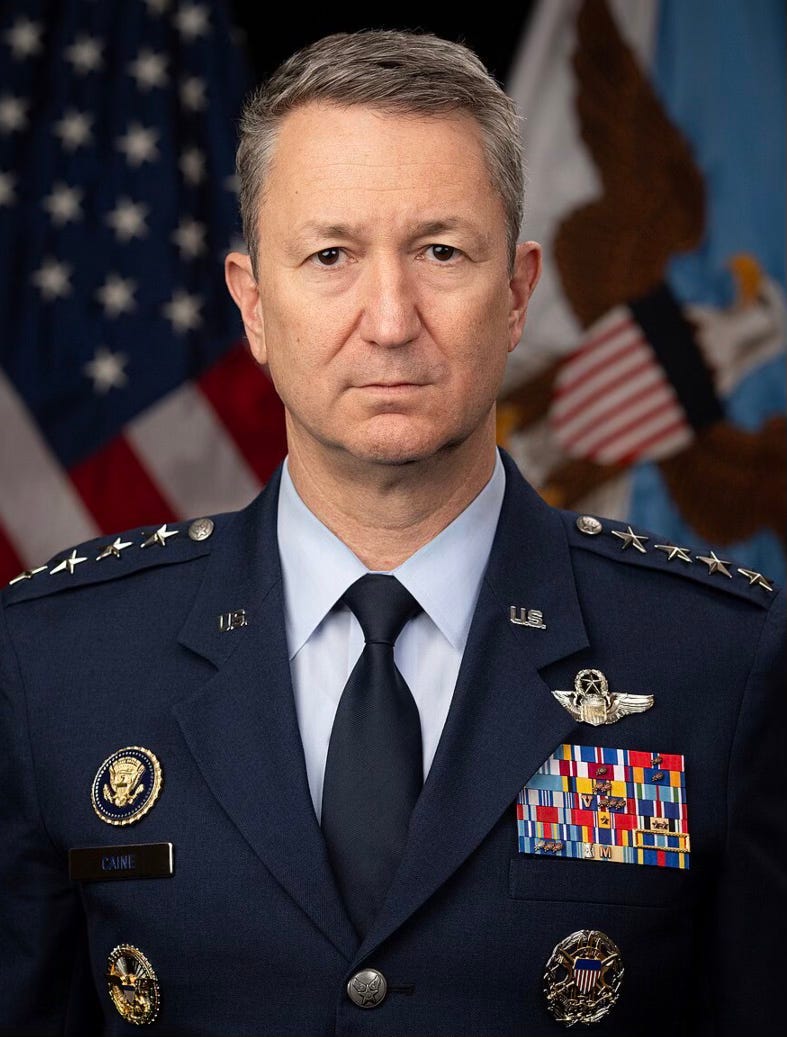
Civilian control of the military is not a courtesy. It is the foundational architecture of republican government. When that architecture holds because an officer refuses rather than because an officer obeys, something has already broken. The question is not whether Caine was right to refuse. The question is what it means that refusal was necessary.

Jack is correct that this story will be written about. Historians will want to know which three senators left that briefing white-faced, and what they chose to do afterward. They will want to know whether the 72-hour silence was institutional protection or institutional paralysis. They will want to know whether the chain of command held because of Caine, or in spite of the structure that was supposed to make Caine unnecessary.

Note which question no one in official Washington appears to be asking publicly.

Note what that silence itself tells us.

The reader can finish the sentence.​​​​​​​​​​​​​​​​

#HOLDFAST

Sher''s avatar

Thank you Jack! They have tried desperately to make this vanish.

22 more comments...

No posts

Ready for more?
